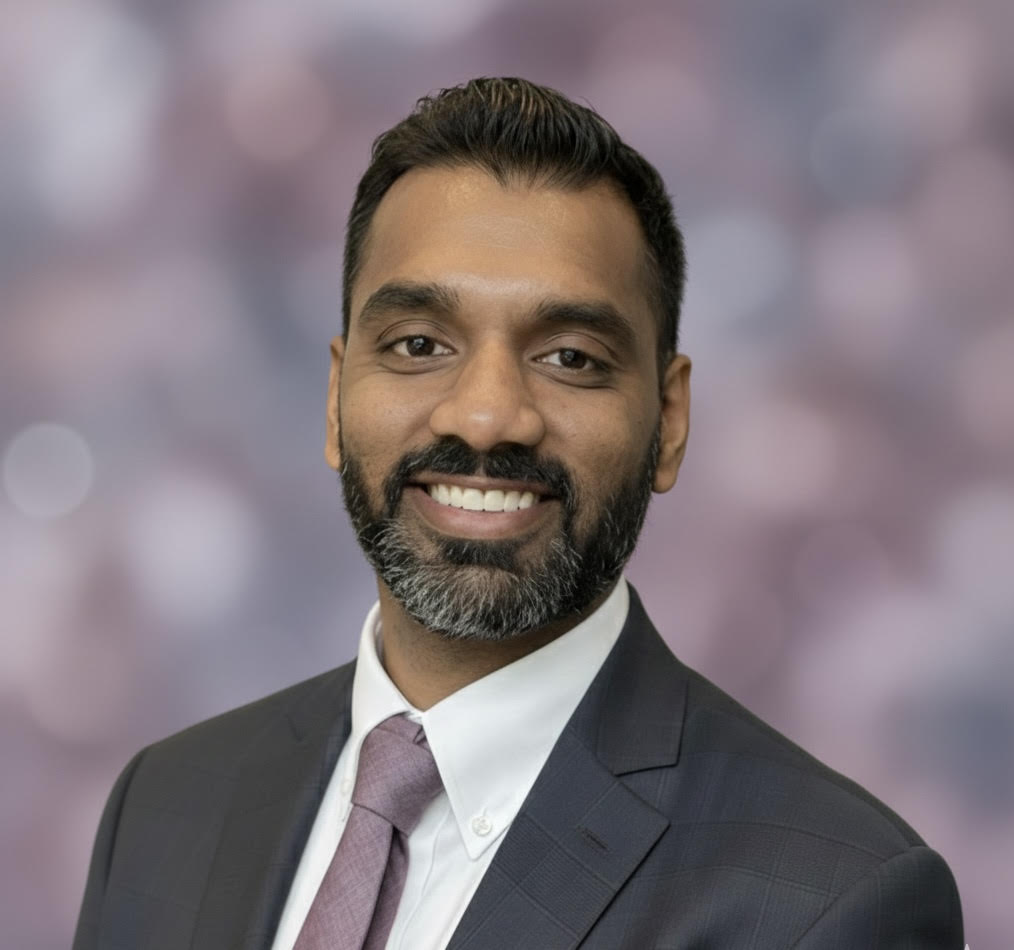
Life-sciences technology and clinical outcomes
Vijay is a technology executive focused on life sciences, data, and digital product development. He has a computer engineering background from Purdue University and works at Dassault Systèmes, helping pharmaceutical and biotechnology organizations modernize the systems used to develop new therapies.
Previously, Vijay co-founded Track My Medicine, where he built and launched a physician-facing platform for tracking treatment outcomes. He assembled a scientific advisory board and brought the product into clinical use.
At RosieVaccine, Vijay leads product, data, and operations. His focus is turning each patient’s genomic analysis, vaccine design, treatment course, and outcome into structured evidence that can improve decisions for the next dog.
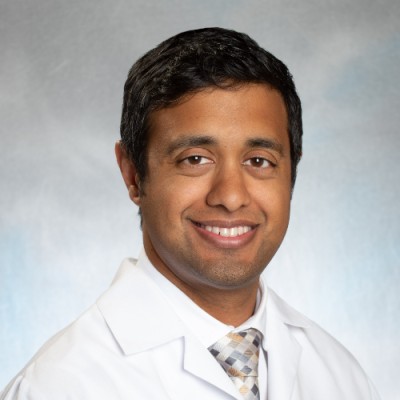
Biomedical research and therapeutic development
Dr. Agarwal is a board-certified plastic surgeon and translational researcher with expertise spanning immunology, regenerative medicine, synthetic biology, and therapeutic development. He earned his medical degree from the University of Chicago Pritzker School of Medicine and is a co-founder of CircuraBio, where he is developing next-generation tissue-repair technologies.
His research has been supported by an NIH K08 Mentored Clinical Scientist Research Career Development Award, an NIH R21 award, a Harvard Stem Cell Institute grant, and awards from the Plastic Surgery Foundation. He is also an inventor on a U.S. patent covering a therapeutic method in oncology.
At RosieVaccine, Shailesh oversees translational strategy and scientific safety. He helps ensure that candidate selection, vaccine design, and clinical collaboration are grounded in defensible biology and developed toward formal validation and peer-reviewed publication.
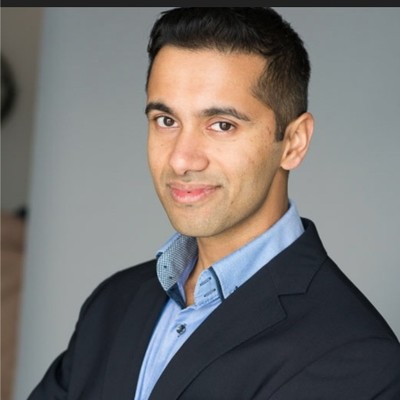
Building the evidence required for access
Adi is a Doctor of Pharmacy with a master’s degree from Purdue University’s Daniels School of Business. He has more than a decade of oncology medical-affairs experience across Eli Lilly, Pfizer, Seagen, and Immunome and has supported eight oncology drug launches, including TUKYSA and PADCEV.
At Seagen, Adi founded and led the Compendia Working Group, developing the clinical and health-economic evidence used in submissions to compendia, payer pathways, and provider pathways. At Pfizer, he led medical-access strategy across an oncology portfolio. He has also taught preclinical evaluation, good clinical practice, and regulatory reform at Butler University.
At RosieVaccine, Adi advises on evidence generation, medical communication, and access strategy. His work addresses a central challenge in veterinary oncology: demonstrating enough clinical and economic value that promising personalized therapies can become accessible to more families.

Turning tumor sequencing into vaccine targets
Shaan is a computational biologist and MD candidate at California Northstate University College of Medicine. He studied molecular and cell biology at UC Berkeley, conducted research at UCSF, and completed an NIH T35 research fellowship at Harvard Medical School.
His published research includes computational methods for analyzing RNA-binding proteins and comparing RNA-interaction experiments. This experience is directly relevant to distinguishing mutations that a tumor merely carries from those it actively expresses — and that may therefore represent meaningful vaccine targets.
At RosieVaccine, Shaan leads the bioinformatics strategy behind neoantigen discovery. He helps transform tumor and normal sequencing data into a prioritized set of vaccine candidates by evaluating mutation quality, tumor expression, immune presentation, and similarity to healthy canine proteins. He also develops the validation methods used to test and strengthen those predictions before a candidate advances into vaccine design.